Not too long ago, HR departments were drowning in spreadsheets, paperwork, and endless email threads. Hiring someone meant opening hundreds of resumes. Leave requests came through WhatsApp, emails, or sometimes a quick message in the hallway. Payroll days were stressful because even a tiny calculation mistake could create chaos.
If you talk to HR professionals today, many of them will tell you something interesting: artificial intelligence hasn’t replaced their role. Instead, it has quietly taken away the repetitive, mechanical work that used to consume most of their day.
Smarter Hiring That Saves Hours of Work
Resume screening without the endless scrolling:
Anyone who has worked in hiring knows how exhausting resume screening can be. Opening hundreds of files, scanning qualifications, trying not to miss a strong candidate it takes time and focus. AI can now analyse resumes in seconds. It filters candidates based on relevant skills, experience, and job requirements. Instead of HR teams reviewing every application manually, they receive a short list of profiles that already match the role closely. What used to take an entire afternoon can now take just a few minutes.
Better candidate matching:
AI doesn’t just look for keywords anymore. Many systems learn from previous hiring data and identify patterns among successful employees. For example, if the company’s best sales managers share certain skill sets or work backgrounds, the system can prioritize candidates with similar traits. Sometimes this even helps recruiters discover strong applicants who might have been overlooked because their resumes were not perfectly formatted.
Reducing bias in early screening :
Human judgment naturally carries biases, even when we try to avoid them. AI-based screening tools focus primarily on skills and experience rather than personal details. While AI isn’t flawless, it can help create a more balanced starting point for hiring decisions. HR teams still make the final call, but the initial screening becomes more objective.
Automating the Routine Work HR Never Loved
Leave and Attendance That Manage Themselves:
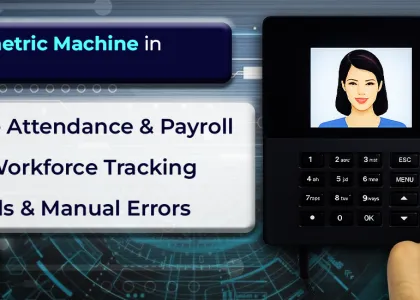
In many companies today, attendance is automatically tracked through integrated systems. Employees submit leave requests through the HRMS portal, and approvals follow company policies automatically. No messy email chains. No manual data entry. The system simply processes it in the background.
Payroll With Fewer Headaches :
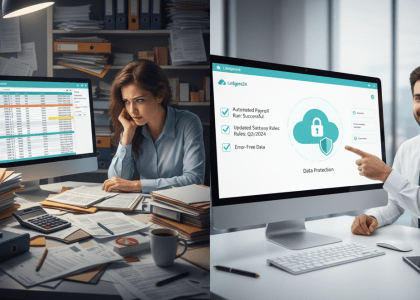
Payroll used to be one of the most stressful parts of HR operations. A small calculation error could lead to dozens of complaints. AI-based systems automatically calculate deductions, overtime, bonuses, and tax components based on predefined rules. HR professionals still oversee the process, but the risk of manual errors drops significantly.
Organized Employee Records :
Think about how many documents HR manages offer letters, identity proofs, policy acknowledgements, contracts. AI-powered HRMS platforms organize all this information digitally. When HR needs a specific document from two years ago, it appears instantly instead of triggering a long search through folders.
Creating a Better Employee Experience
AI Chatbots for Quick HR Questions :
Employees often ask HR the same questions repeatedly how to download payslips, how many leave days remain, or where to update personal details. AI chatbots integrated into HRMS platforms can answer these questions instantly. Employees get help anytime, even outside working hours, without waiting for HR to reply.
Personalized Learning Suggestions :
Some modern HRMS platforms analyse employee roles, skills, and performance trends to suggest relevant training programs. For instance, if someone in marketing starts handling analytics tasks, the system might recommend courses related to data analysis or reporting. This makes professional development feel more tailored rather than forced.
Structured Onboarding for New Employees :
Joining a new company can feel overwhelming. AI-driven HR systems guide employees step-by-step through onboarding tasks like document submission, policy reading, and system setup. Instead of receiving multiple emails from different departments, new hires follow a simple checklist inside the platform.
Helping HR Make Smarter Decisions
Continuous Performance Insights :
Instead of relying solely on annual performance reviews, AI systems track progress throughout the year. Project results, feedback, and productivity metrics provide a clearer view of employee contributions. This makes performance discussions more balanced and less dependent on recent memory.
Identifying Potential Leaders :
AI can analyse patterns across teams to identify employees who consistently perform well or demonstrate leadership potential. Interestingly, this sometimes highlights quiet high performers who might otherwise go unnoticed.
Detecting Early Signs of Employee Disengagement :
Some HRMS systems can even flag early signals of burnout or disengagement. Sudden drops in participation, declining productivity, or irregular attendance patterns may trigger alerts. This gives HR teams a chance to check in and support employees before small problems turn into bigger ones.
A Quiet Shift in How HR Works
What makes AI in HRMS fascinating isn’t just the technology itself. It’s the shift it creates in how HR teams spend their time. When routine tasks are handled by systems, HR professionals can focus on conversations, culture, and employee development the parts of the job that require human understanding. In a way, AI isn’t making HR less human. It’s finally giving HR the time to be more human than it used to be.